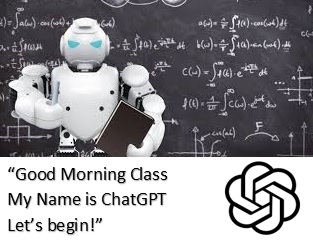
Enhancing Quality Instruction and Learning Experiences in Higher Education through ChatGPT
An Exploratory Case Study
Keywords:
generative artificial intelligence, ChatGPT, mathematics talk community, pedagogy enhancement, authentic assessment, collaborative learningAbstract
Despite trepidations about the use of generative artificial intelligence (AI) and chatbots like ChatGPT, there is significant potential to enhance instruction in Higher Education (HE). Scholars have explored this Generative AI’s features, and implications for teaching and learning in HE since the release in 2022. This has led to discussions on academic integrity which have raised questions about the authenticity of students' creative output, ethical practices regarding intellectual property, as well as arguments about the validity of traditional assessments. However, there has been limited practical discourse on the opportunities for Generative AI as a tool for innovative authentic assessments and for fostering students' active participation in collaborative learning and self-assessment. Using an exploratory approach, this case study examines an instructor's use of ChatGPT to teach mathematics at a tertiary-level institution, investigating the capabilities of AI in enhancing students' engagement, assessment types, and instruction in higher education. The study involved 70 students and one instructor exploring strategies for promoting collaboration and engagement in mathematics talk communities, as well as implementing authentic assessments. The study’s findings indicate that ChatGPT can provide insightful feedback on students' work and improve their learning experience through error analysis-type assessments while providing support to instructors in crafting classroom practices that foster critical thinking and problem solving. This study potentially offers a structured framework for maximizing the effectiveness of using ChatGPT in preparing learners for the 5th Industrial Revolution.